Why Livestock Brushes Matter: Key Features That Make Grooming Easier for Farm Families
Understanding the key features of quality livestock brushes helps farm families choose tools that make daily grooming safer, faster, and more comfortable for both animals and handlers.
Understanding What Makes a Livestock Brush Effective
When you're caring for goats, cattle, or other farm animals, the right grooming tools make all the difference. Many families new to livestock ownership wonder what features actually matter in a brush. The answer lies in understanding how design choices affect both the animal's comfort and your efficiency during daily care routines.
Bristle Material: The Foundation of Gentle Grooming
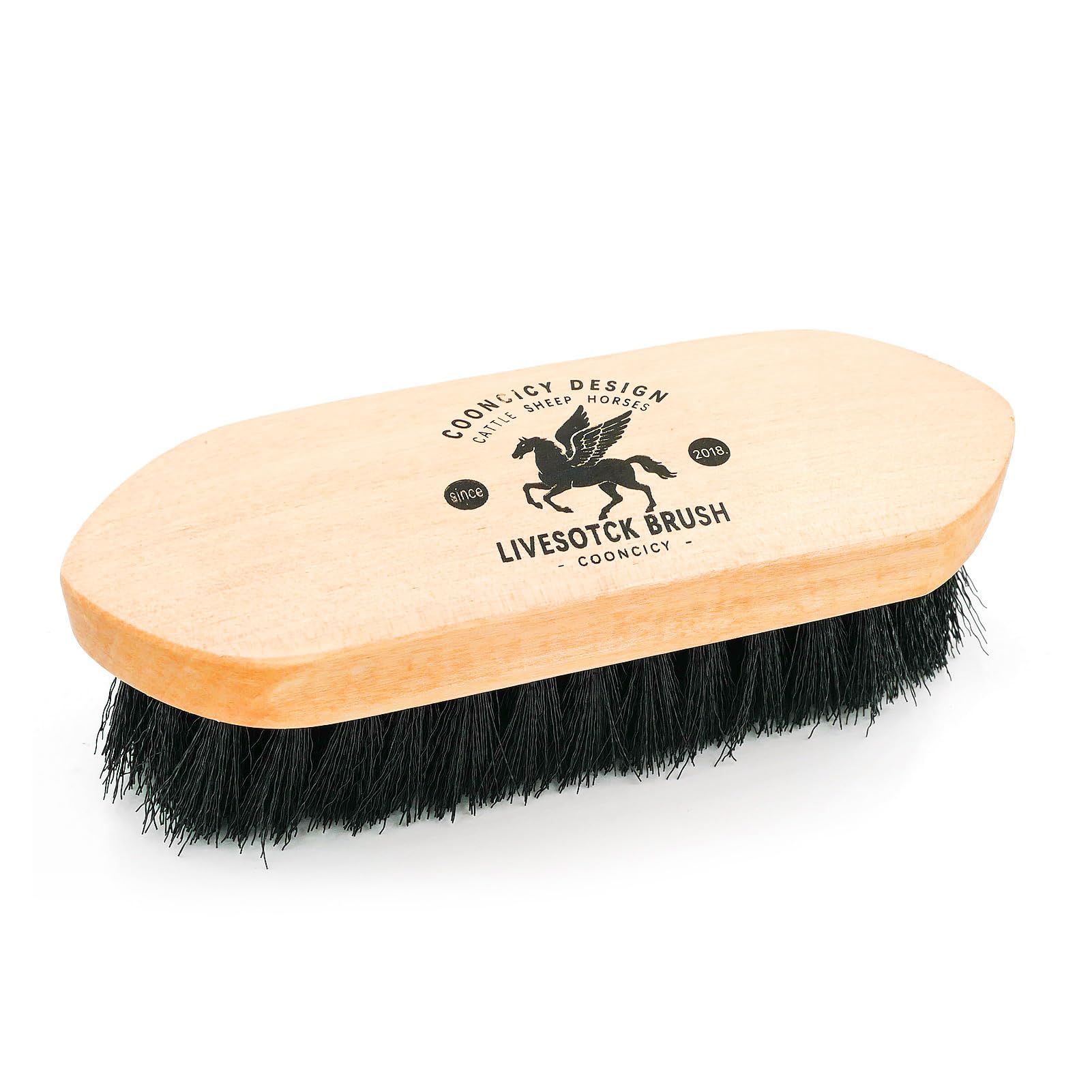
High-grade nylon bristles represent the standard for livestock grooming because they balance firmness with flexibility. Unlike natural bristles that can break or become too soft when wet, quality nylon maintains its structure through repeated use. This consistency means you can remove dirt and loose hair effectively without causing discomfort to sensitive skin.
The Medium Livestock Brush for Goat, Cattle, Cow demonstrates this principle with bristles designed for pain-free grooming across different coat types. Whether you're maintaining a dairy goat's coat between shows or cleaning mud from a calf's back, the bristle quality directly impacts results.
Handle Design and Ergonomics
Natural wood handles offer advantages that synthetic materials can't match. Wood provides a comfortable grip that doesn't slip when your hands are wet or dusty, and it naturally wicks moisture away during use. The ergonomic shape reduces hand fatigue during longer grooming sessions.
An integrated hand strap adds security, particularly important when working with larger animals that might shift suddenly. This feature prevents accidental drops and gives you better control throughout the grooming process.
Key Features to Evaluate
- Bristle density: Affects how much debris the brush captures in each stroke
- Handle length: Determines reach and leverage for different animal sizes
- Weight balance: Impacts comfort during extended grooming sessions
- Durability of materials: Influences long-term value and replacement frequency
Size and Weight Considerations
A medium-sized brush measuring approximately 7 by 2.3 inches offers versatility for most farm families. This size works equally well for smaller goats and larger cattle, eliminating the need for multiple specialized tools. At around 10 ounces, it's substantial enough to feel sturdy without causing arm fatigue.
Who Benefits Most From Quality Livestock Brushes
Farm families managing mixed livestock appreciate tools that handle multiple species effectively. The Medium Livestock Brush for Goat, Cattle, Cow suits both professional handlers maintaining show animals and homesteaders focused on daily care. Its balanced design works for adults and older children learning animal husbandry.
When to Consider Alternatives
Families with only small animals like rabbits or chickens might find a medium livestock brush too large for precise work. Similarly, operations focused exclusively on horses may prefer specialized equine brushes with softer bristles tailored to more sensitive coats.
The Bottom Line on Features
Quality livestock brushes combine durable bristles, comfortable handles, and practical sizing to make routine grooming more efficient. Understanding these features helps you select tools that will serve your farm family well through seasons of daily animal care. The right brush becomes an investment in both animal welfare and your own comfort during essential maintenance tasks.
Related Buying Guides
- Jan & Jul Cozy-Dry Baby Carrier Rain Cover Features Explained: What Makes It Weatherproof
- Stroller Fan Not Working? How to Fix Common Clip-On Fan Issues
- How to Clean, Charge, and Care for Your Baby Car Mirror with Night Light
- Baby Led Weaning Spoon FAQ: Everything Parents Ask About the ezpz Tiny Spoon
- Nursing Cover Comparison: Infinity Scarf vs. Rigid Hoop Designs for Different Moms
- Are You Wasting Freezer Space? Flat vs. Upright Breastmilk Storage Compared