How to Store Your Mushie Silicone Snack Cup Long-Term Without Damage
Proper storage extends the life of your Mushie Silicone Snack Cup and keeps it ready for your toddler's next adventure. This guide covers drying, stacking, rotation, and seasonal storage to prevent common issues like odor retention and material breakdown.
Why Proper Storage Matters for Silicone Snack Cups
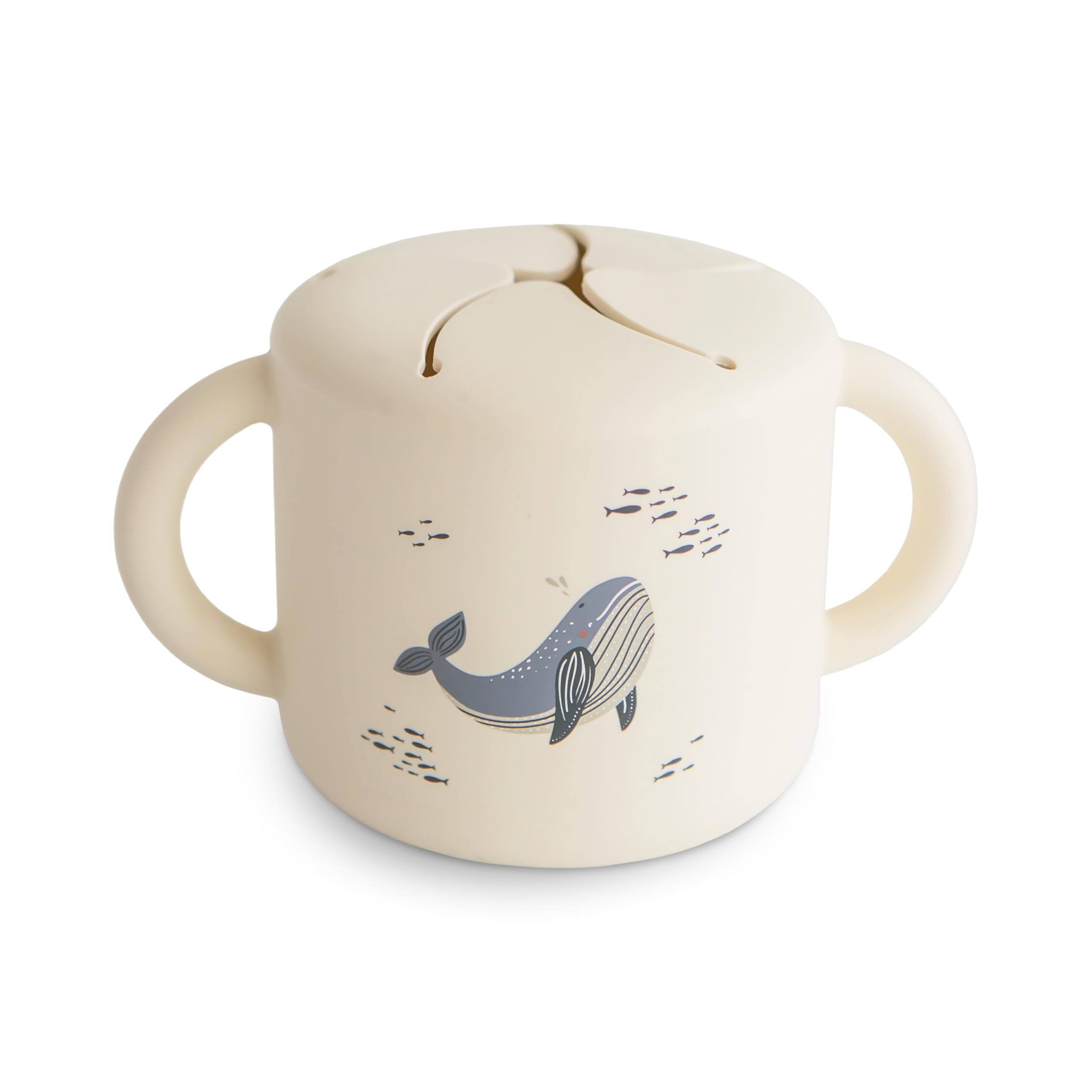
The mushie Silicone Snack Cup is made from 100% food-grade silicone, a material that resists bacteria but can trap moisture and odors if stored incorrectly. Since this cup features two small handles and a soft opening designed for little hands, improper stacking or folding during storage can deform these functional elements over time.
mushie Silicone Snack Cup | Spill Proof Food Container (Whales)
Essential Pre-Storage Steps
Before putting away your snack cup, always ensure it is completely dry. The dishwasher-safe design means you can run it through your machine, but moisture can linger in the crevices around the handles and soft opening. Air dry for at least two hours in a well-ventilated area, or use a clean kitchen towel to manually dry all surfaces and folds.
Check for food residue or discoloration. Silicone can absorb strong food pigments from berries or tomato-based snacks. If staining occurs, address it before storage rather than letting it set during dormant periods.
Best Storage Practices to Prevent Damage
Store the cup upright or inverted in a cabinet with good airflow. Avoid sealing it in airtight plastic bins while still slightly damp, as trapped moisture encourages mold growth even on BPA-free, food-grade silicone.
Stacking Multiple Cups
If you own more than one snack cup, nest them loosely rather than forcing a tight fit. The 3.5 x 5.5 x 3.25 inch dimensions allow for natural stacking, but excessive pressure can warp the soft opening over time. Place a folded paper towel between stacked cups to absorb any residual moisture.
Seasonal Rotation Tips
- Rotate cups every three months to prevent one from sitting unused for extended periods
- Store out-of-rotation cups in a cool, dry drawer away from direct sunlight, which can degrade silicone over time
- Label or date cups if rotating multiple colors or designs to track usage
- Inspect handles and the spill-proof opening for cracks or stiffness before returning to active use
Avoiding Common Storage Mistakes
Never store the cup near heat sources like stovetops or dishwashers that radiate warmth. While the material is heat-resistant during use, prolonged exposure to ambient heat can cause gradual breakdown. Similarly, avoid storing in direct sunlight, such as on windowsills or in clear plastic bins placed in sunny areas.
Do not fold or compress the cup to save space. The soft opening that lets baby's hands slide easily in and out can lose its shape if stored under heavy items or squeezed into cramped spaces.
Who This Storage Method Suits
This approach works well for parents who meal prep in batches, daycare providers managing multiple feeding supplies, or families who rotate seasonal gear. It is especially useful if you own several snack cups and want to extend their lifespan without daily wear.
Who Should Skip This
If you use your snack cup daily and it never sits idle for more than a day, simplified storage like leaving it in an open dish rack is sufficient. Frequent use naturally prevents the moisture and odor issues that long-term storage can cause.
Final Verdict
Proper storage protects the structural integrity and hygiene of your mushie Silicone Snack Cup between uses. By drying thoroughly, storing upright, and rotating regularly, you will keep the cup fresh and functional for your toddler's on-the-go snacking needs. The 13.5 fl oz capacity and spill-proof design remain reliable when the cup is maintained correctly.
Related Buying Guides
- Jan & Jul Cozy-Dry Baby Carrier Rain Cover Features Explained: What Makes It Weatherproof
- Stroller Fan Not Working? How to Fix Common Clip-On Fan Issues
- How to Clean, Charge, and Care for Your Baby Car Mirror with Night Light
- Baby Led Weaning Spoon FAQ: Everything Parents Ask About the ezpz Tiny Spoon
- Nursing Cover Comparison: Infinity Scarf vs. Rigid Hoop Designs for Different Moms
- Are You Wasting Freezer Space? Flat vs. Upright Breastmilk Storage Compared