How to Safely Introduce Textured Foods with a Silicone Baby Food Feeder
Transitioning from smooth purees to textured foods can feel overwhelming for new parents. A silicone baby food feeder helps you introduce solid textures safely while giving your baby the independence to explore new flavors.
Moving beyond smooth purees is an exciting milestone, but it often comes with anxiety about choking risks and messy trial-and-error. A silicone baby food feeder offers a controlled way to let your baby experience different textures while you maintain peace of mind during this important developmental phase.
Why Texture Matters in Early Feeding
Babies need exposure to different food textures to develop proper chewing skills and oral motor coordination. Starting around four to six months, introducing soft solids helps prepare them for family meals and builds confidence with self-feeding. The challenge is doing this safely while they're still learning to manage food in their mouths.
How a Silicone Feeder Makes the Process Safer
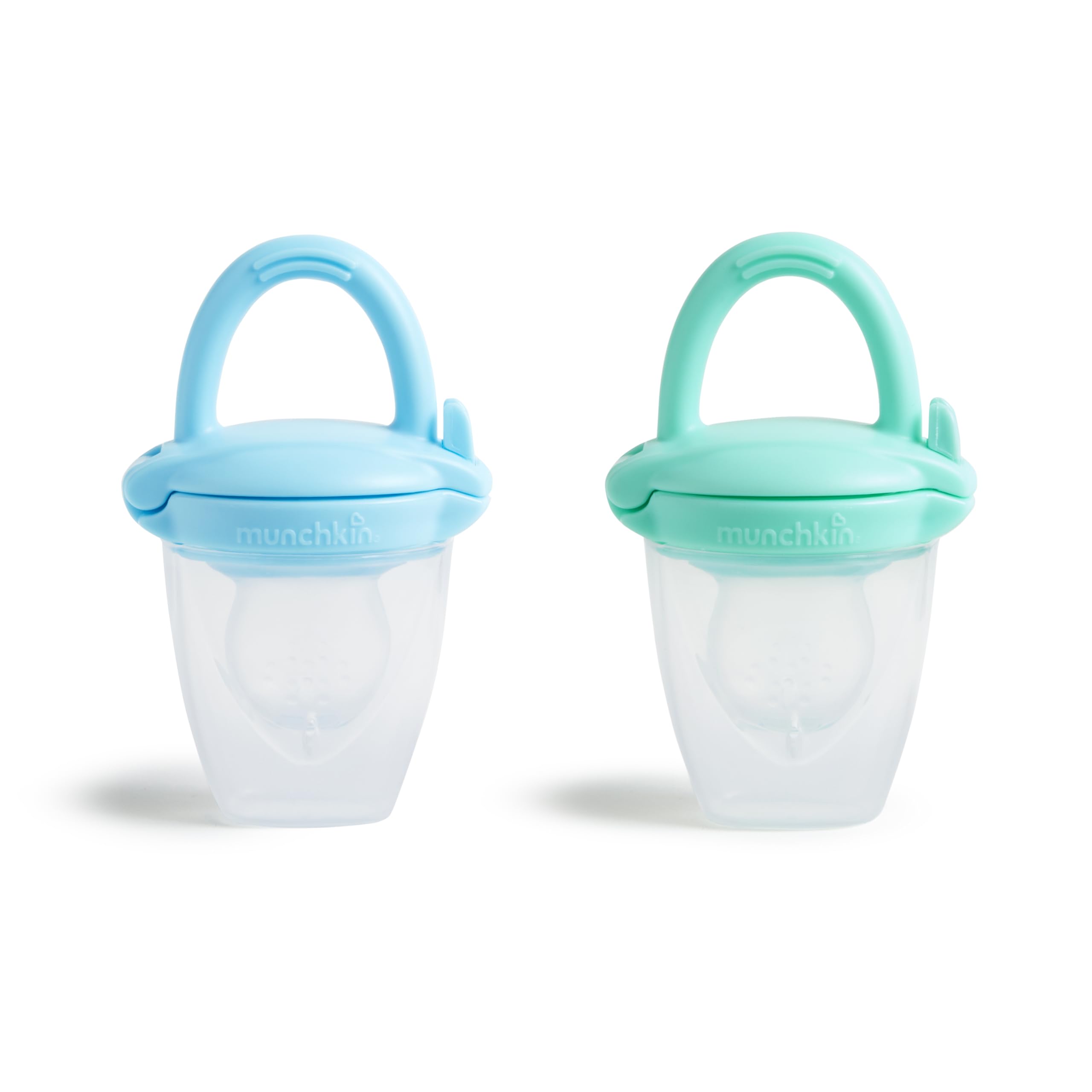
Unlike traditional mesh feeders that can tear or fray, a silicone design provides a durable barrier with a controlled dispensing system. The Munchkin Silicone Baby Food Feeder features a small hole at the bottom that allows just enough food through while minimizing choking hazards. The soft silicone pouch holds steamed vegetables, mashed fruit, or even frozen breast milk for teething relief.
Step-by-Step Introduction Guide
Start with Familiar Flavors
Fill the feeder with purees your baby already enjoys. This builds positive associations before moving to new textures. Banana, avocado, and sweet potato work well as starter options.
Progress to Soft Solids
Once your baby shows interest, try small pieces of steamed carrot, soft pear, or cooked apple inside the feeder. The raised bumps on the silicone help soothe sore gums while promoting oral awareness.
Supervise Every Session
Always watch your baby during feeding time. The one-piece design eliminates small parts that could pose risks, but active supervision remains essential as they explore.
Practical Benefits Beyond Safety
| Feature | Benefit |
|---|---|
| Snap-tight cap | Store prepped food in the fridge or pack for outings |
| BPA-free silicone | Safe for repeated use with hot or cold foods |
| Small dispensing hole | Reduces mess and waste during learning phase |
The Munchkin Silicone Baby Food Feeder comes in a two-pack, letting you prep multiple flavors or have a backup while one is being cleaned. This budget-friendly option supports baby-led weaning without requiring a full set of specialized gear.
Check Latest PriceWho Should Use This Approach
This method works well for parents introducing solids to babies four months and older who show readiness signs like sitting with support and expressing interest in food. It's particularly helpful for cautious parents who want a gradual transition or babies who are learning to manage thicker textures.
Who Might Skip It
If your baby is already confidently eating finger foods without assistance, or if you prefer a faster progression to whole pieces of soft food, a feeder may feel like an unnecessary intermediate step. Some babies also reject the sensation of silicone and prefer direct hand-to-mouth exploration.
The Verdict
A silicone baby food feeder bridges the gap between spoon-feeding and independent eating. It reduces parental anxiety during the texture introduction phase while giving babies the autonomy to explore at their own pace. The durable, easy-to-clean design makes it a practical tool that grows with your child through the early months of solid food exploration.
Related Buying Guides
- Jan & Jul Cozy-Dry Baby Carrier Rain Cover Features Explained: What Makes It Weatherproof
- Stroller Fan Not Working? How to Fix Common Clip-On Fan Issues
- How to Clean, Charge, and Care for Your Baby Car Mirror with Night Light
- Baby Led Weaning Spoon FAQ: Everything Parents Ask About the ezpz Tiny Spoon
- Nursing Cover Comparison: Infinity Scarf vs. Rigid Hoop Designs for Different Moms
- Are You Wasting Freezer Space? Flat vs. Upright Breastmilk Storage Compared