How to Clean and Care for Your Baby Hip Seat Carrier: Maintenance Tips That Extend Its Life
Your baby hip seat carrier handles daily wear, spills, and outdoor adventures. Proper cleaning and maintenance keeps it hygienic, structurally sound, and ready for years of use—even through multiple children.
Why Regular Maintenance Matters for Hip Seat Carriers
Your hip seat carrier supports your baby's weight every day, endures drool, spit-up, outdoor elements, and constant friction against clothing. Without proper care, fabric can deteriorate, straps can weaken, and buckles can malfunction. Regular cleaning and inspection protect your investment while ensuring your carrier remains safe and comfortable for both parent and baby.
The Momcozy Baby Carrier with Hip Seat features breathable, skin-friendly materials and a detachable design that makes maintenance straightforward. Its durable construction handles regular washing when you follow the right steps.
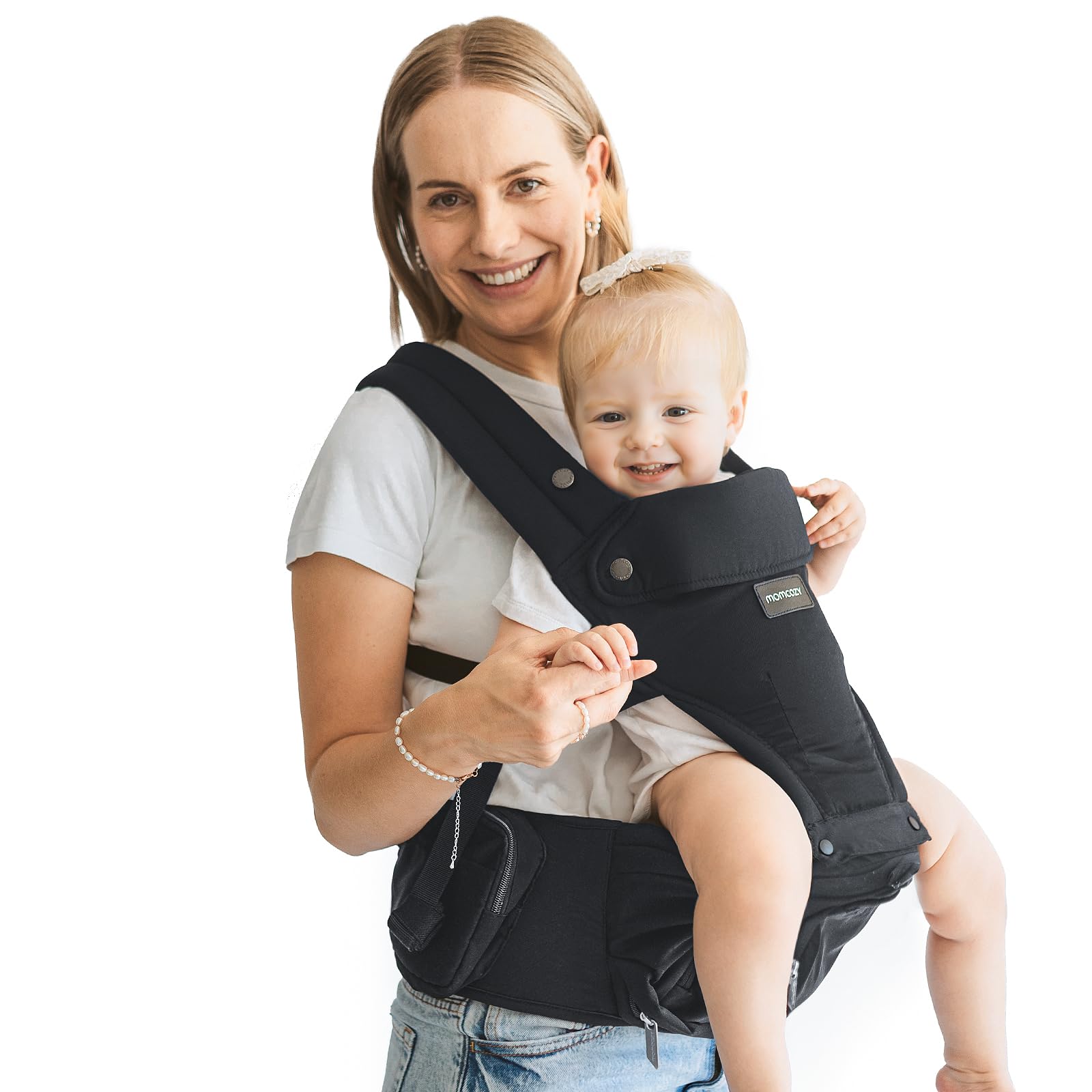
Routine Cleaning: Weekly and Spot Treatments
For light soil and everyday freshness, spot cleaning handles most situations without a full wash. Use a damp cloth with mild soap to wipe down the hip seat cushion and fabric panels after each outing. Focus on high-contact areas like the waistbelt interior and shoulder straps where sweat accumulates.
Before any cleaning, detach the upper harness from the hip seat—this modular design allows you to clean components separately. The 10mm thick cushioned seat can be wiped down while the fabric panels can be hand-washed in cool water. Always air dry completely before reassembling to prevent mildew in the padding.
Deep Cleaning Your Carrier Every Month
Once monthly or after significant spills, your carrier needs a thorough wash. Remove all detachable parts and check the manufacturer guidance. Most hip seat carriers with structured foam inserts should not go in washing machines—the agitation can break down cushioning and warp the supportive seat.
Hand wash in a basin with lukewarm water and gentle detergent. Submerge fabric components but keep the rigid hip seat platform above water. Gently scrub with a soft brush, rinse thoroughly, and press out excess water without twisting. Hang in a well-ventilated area away from direct sunlight, which can fade colors and degrade elastic fibers.
Inspection Checklist: Safety Points to Monitor
Cleaning time is inspection time. Check these components every month:
- Buckles and clips: Test that they snap firmly and release smoothly without sticking
- Velcro waistbelt: Remove lint and debris that reduce grip strength
- Stitching: Look for fraying or loose threads on weight-bearing seams
- Fabric integrity: Check for thinning, tears, or worn spots on shoulder straps
- Hip seat padding: Press to confirm foam still provides firm support without collapsing
The X-structure design and 3D contoured waist support in the Momcozy Baby Carrier with Hip Seat distribute weight across multiple points. Any weakness in straps or buckles compromises this load distribution, so replace the carrier if you find structural damage.
Storage Tips Between Uses
Proper storage prevents premature wear. After air drying completely, store your carrier in a cool, dry location away from direct heat sources. Avoid compressing it under heavy items—this can flatten the supportive foam and distort the M-shaped seating position that promotes healthy hip development.
If storing long-term between children, place the carrier in a breathable fabric bag rather than plastic, which traps moisture. Hang it if possible to maintain the shape of straps and prevent creases in the padded waistbelt.
Extending Lifespan Through Smart Use
How you use your carrier daily impacts how long it lasts. Avoid overloading beyond the 7-44 pound weight range, which strains stitching and buckles. Keep the quick-adjust Velcro fastener clean—it loses grip when clogged with lint and fabric fibers.
The all-seasons breathable material handles temperature variations well, but avoid leaving your carrier in hot cars where extreme heat can degrade elastic and foam components. After beach or park visits, brush off sand and dirt before they work into fabric weave.
When to Retire Your Carrier
Even with excellent care, carriers have a functional lifespan. Replace immediately if you notice buckle cracks, significant fabric tears, compressed padding that no longer rebounds, or any structural failure that could compromise safety. For the forward-facing and back carry positions, compromised support creates fall risks.
Balanced Verdict
Maintaining a hip seat carrier requires minimal effort—monthly deep cleans, weekly spot treatments, and regular safety checks keep it functioning for years. The detachable design of quality carriers simplifies the process significantly. Parents who establish a simple maintenance routine protect their investment while ensuring their baby always rides in a clean, safe carrier.
Who This Maintenance Approach Suits
This guide works for parents using hip seat carriers daily who want to maximize durability. It suits those with multiple children planning to reuse gear, and anyone prioritizing hygiene without spending on professional cleaning services. The straightforward steps fit into busy schedules.
Who Should Consider Alternatives
If you need machine-washable convenience above all else, seek carriers with fully removable fabric and minimal structured components. Parents unwilling to hand-wash monthly may prefer simpler wrap-style carriers, though these lack the ergonomic hip seat support.
Related Buying Guides
- Jan & Jul Cozy-Dry Baby Carrier Rain Cover Features Explained: What Makes It Weatherproof
- Stroller Fan Not Working? How to Fix Common Clip-On Fan Issues
- How to Clean, Charge, and Care for Your Baby Car Mirror with Night Light
- Baby Led Weaning Spoon FAQ: Everything Parents Ask About the ezpz Tiny Spoon
- Nursing Cover Comparison: Infinity Scarf vs. Rigid Hoop Designs for Different Moms
- Are You Wasting Freezer Space? Flat vs. Upright Breastmilk Storage Compared