How to Wash and Care for Reusable Baby Changing Pad Liners: A Simple Maintenance Guide
A practical maintenance guide for washing, drying, and storing reusable changing pad liners so they stay soft, absorbent, and leak-proof through hundreds of diaper changes.
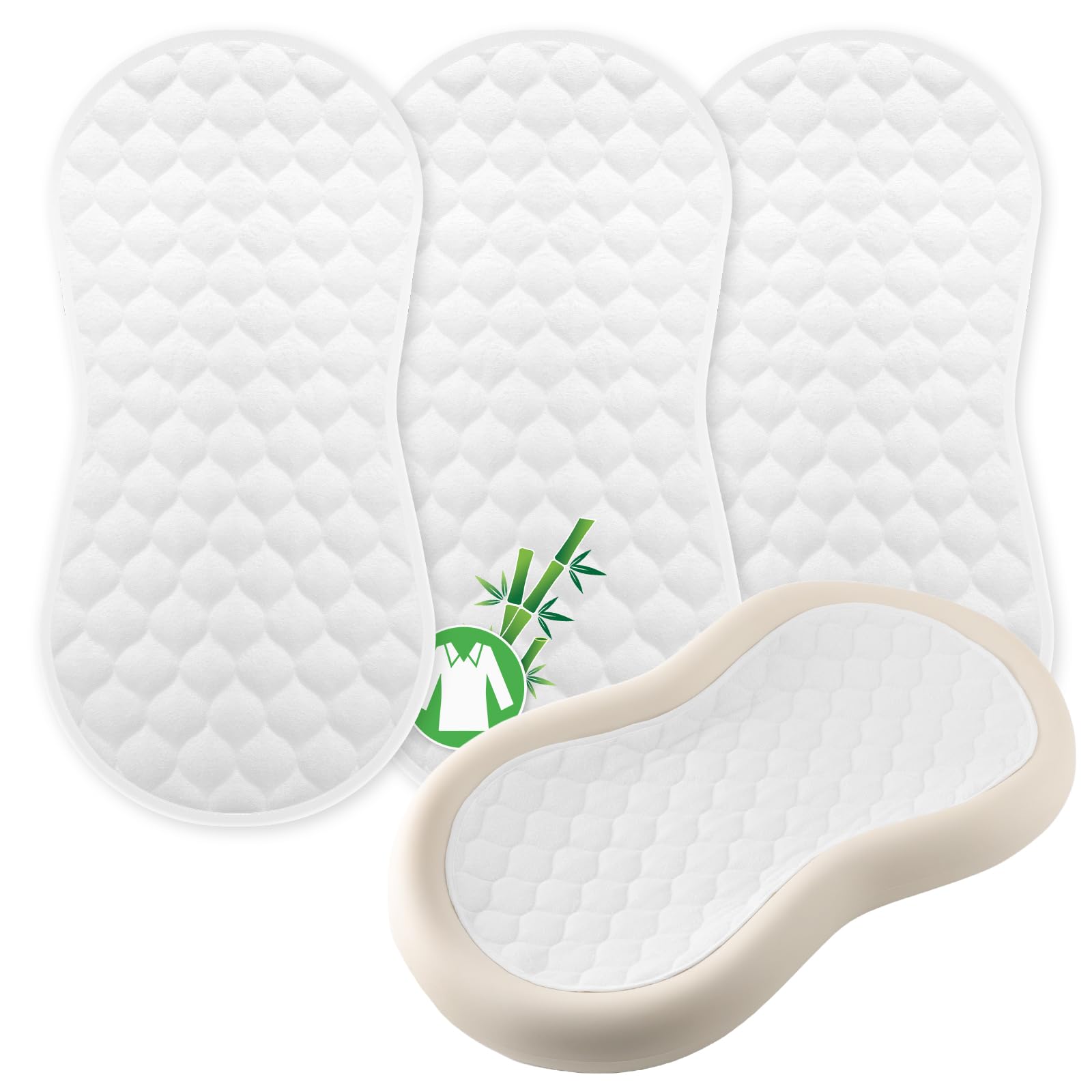
Reusable changing pad liners only save you money if they actually last. The Organic Quilted Thicker Baby Changing Pad Liners 3 Pack Waterproof, Soft & Warm On Baby's Back, Absorbent, Non-Slip, Machine Washable Reusable Diaper Change Mats Liners Fits Peanut Changing Table Pads from Knirose is a budget-friendly, machine-washable set designed for repeated use. Here is how to keep liners like these performing at their best.
Why Maintenance Matters
Each liner in this set uses a 4-layer build: a bamboo-derived viscose face, a quilted polyester filling for softness, a polyurethane waterproof inner layer, and a polyester backing with silicone anti-slip dots. Washing incorrectly is the fastest way to break down the waterproof barrier and flatten the quilting, so a gentle routine pays off.
Washing Steps
- Shake off solids first. Rinse or scrape debris before anything touches your machine.
- Use a gentle cycle with cold or warm water. Hot water and harsh agitation degrade the polyurethane waterproof layer over time.
- Skip fabric softener and bleach. Softener coats the absorbent bamboo-viscose top layer and reduces how quickly it soaks up liquids; bleach weakens fibers and stitching.
- Wash with similar items. Rougher fabrics like Velcro bibs or zippers can snag the quilted surface.
Drying and Between-Change Care
These liners are dryer-safe, but use a low-heat setting. High heat is the most common cause of a waterproof layer losing its seal. If you have the time, air-drying flat extends lifespan even further.
Between washes, air the liner out after accidents rather than reusing a damp one. Trapped moisture against the waterproof layer is what causes lingering odor in any reusable changing liner.
Rotate Your Three Liners
The 3-pack design is a rotation system: one on the pad, one in the wash, one in the diaper bag. Rotating evenly spreads wear across all three instead of burning out a single liner. The liners fit Peanut-style and standard changers and are compatible with Keekaroo, Skip Hop, Munchkin, Delta, and Jool Baby pads, so you can also rotate them between stations.
Quick Care Checklist
| Task | How Often |
|---|---|
| Machine wash, gentle cycle | After any soiling |
| Low-heat tumble dry or air dry | Every wash |
| Check anti-slip dots for wear | Monthly |
| Inspect waterproof layer for leaks | Monthly |
Verdict
With basic care, the Knirose set holds up well: the GOTS and CPSC certified liners stay soft through repeated washes, absorb quickly, and the non-slip backing keeps them in place even with a wiggly baby. The trade-off is that the waterproof layer depends on gentle, low-heat washing, so skip this style if you want something you can toss in a hot sanitize cycle.
Who it suits
- Parents using Peanut-style or standard changing pads at home
- Anyone wanting an eco-friendly, reusable alternative to disposable liners
- Caregivers who need a spare liner for the diaper bag or travel
Who should skip it
- Families who strictly hot-wash and bleach all diapering gear
- Anyone wanting a single-use, zero-laundry option
Related Buying Guides
- Jan & Jul Cozy-Dry Baby Carrier Rain Cover Features Explained: What Makes It Weatherproof
- Stroller Fan Not Working? How to Fix Common Clip-On Fan Issues
- How to Clean, Charge, and Care for Your Baby Car Mirror with Night Light
- Baby Led Weaning Spoon FAQ: Everything Parents Ask About the ezpz Tiny Spoon
- Nursing Cover Comparison: Infinity Scarf vs. Rigid Hoop Designs for Different Moms
- Are You Wasting Freezer Space? Flat vs. Upright Breastmilk Storage Compared