Baby Gate Won't Stay Closed? How to Fix Auto-Close Issues on Pressure Mounted Gates
A baby gate that won't stay closed defeats its entire purpose. Whether your pressure-mounted gate swings open unexpectedly or the auto-close feature stops working, these troubleshooting steps will help you identify and fix the problem quickly.
A baby gate that won't stay closed defeats its entire purpose. Whether your pressure-mounted gate swings open unexpectedly or the auto-close feature stops working, these troubleshooting steps will help you identify and fix the problem quickly.
Why Baby Gates Fail to Stay Closed
Most auto-close failures stem from installation issues rather than defective gates. Pressure-mounted gates rely on precise positioning and adequate tension to function correctly. When the gate isn't level or the pressure is uneven, the auto-close mechanism can't work as designed.
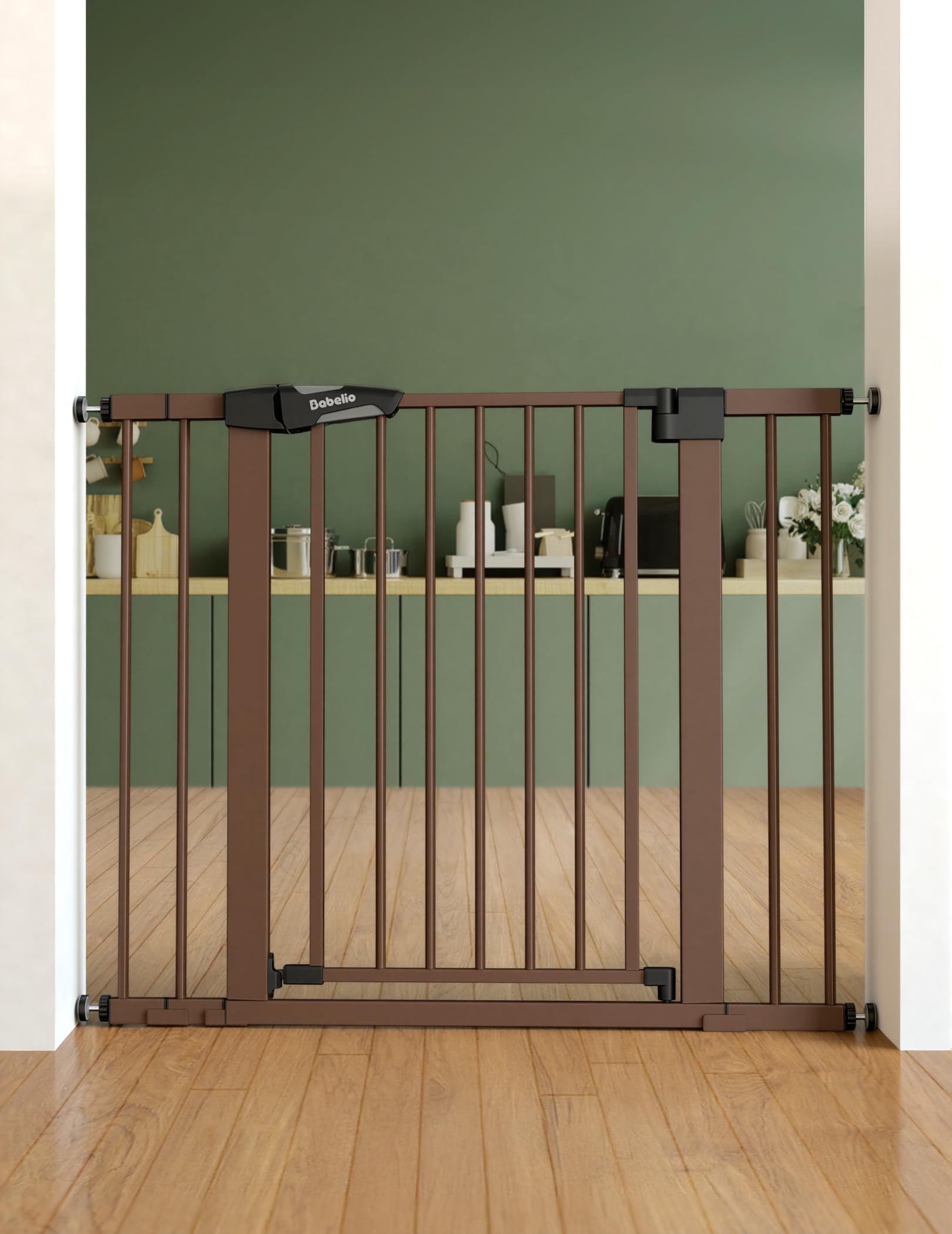
The Babelio Pressure Mounted 26-40" Baby Gate for Stairs, PressGuard I, Brown includes an auto-close feature that swings the door shut when opened less than 90°. However, even quality gates with this feature require proper setup to work reliably.
Step-by-Step Troubleshooting
Check Gate Alignment
The bottom rail must be parallel to the floor for smooth operation. Use a level to verify the gate sits straight. Even a slight tilt can prevent the auto-close from engaging properly. Adjust the pressure spindles on both sides until the gate stands perfectly vertical.
Verify Opening Width
Gates designed for specific width ranges may not function correctly if stretched beyond their ideal fit. The Babelio Pressure Mounted 26-40" Baby Gate for Stairs, PressGuard I, Brown fits openings between 26 and 40 inches. Measure your doorway and confirm the gate is within its specified range.
Adjust Pressure Settings
Insufficient pressure causes gates to shift and prevents proper closing. Tighten the pressure spindles gradually on both sides, checking stability after each adjustment. The gate should feel firm but not damage your walls. Too much pressure can also prevent smooth swinging.
Inspect the Mounting Surface
Pressure mounting works best between flat, sturdy surfaces. Uneven walls, textured surfaces, or rounded corners reduce contact and compromise stability. If your walls aren't suitable for pressure mounting, consider hardware mounting with the included screws for reinforced installation.
Common Auto-Close Problems and Solutions
| Problem | Solution |
|---|---|
| Gate swings open on its own | Level the gate and increase pressure on both sides evenly |
| Door stops halfway when closing | Check for obstructions and verify the gate is vertical |
| Auto-close too forceful | Slightly reduce tension on pressure spindles |
| Door won't close at all | Confirm gate width matches opening and mounting is secure |
Use the Stay-Open Feature Correctly
Many gates with auto-close also include a stay-open function. Opening the door to 90° or wider typically holds it open for carrying items. If your gate stays open unintentionally, you may be opening it past this threshold. Practice opening it to less than 90° for consistent auto-close performance.
When to Switch to Hardware Mounting
Pressure mounting isn't suitable for every location. If you've tried all adjustments and the gate still won't stay closed reliably, hardware mounting may be necessary. This option uses screws for reinforced installation and is recommended for top-of-stairs use where security is critical.
The Babelio Pressure Mounted 26-40" Baby Gate for Stairs, PressGuard I, Brown includes hardware mounting components, giving you flexibility to switch installation methods without buying a new gate.
Testing After Adjustments
After making any changes, test the gate thoroughly. Open it gently to about 45°, then release. It should swing closed smoothly and latch securely. Repeat several times to confirm consistent performance. Try the triple-lock mechanism to ensure it still unlocks easily for adults while remaining secure.
The Verdict
Most auto-close problems resolve with proper leveling and pressure adjustment. Taking time to install the gate correctly prevents ongoing frustration and ensures reliable protection. When pressure mounting isn't sufficient, hardware mounting provides a permanent solution.
Who This Solution Suits
These troubleshooting steps work for parents dealing with gates in standard doorways, hallways, and bottom-of-stairs locations. Families with flat, sturdy walls and openings within the gate's specified range will have the most success with pressure mounting adjustments.
Who Should Consider Alternatives
If your walls are uneven, textured, or rounded, hardware mounting may be necessary from the start. For top-of-stairs installations where maximum security is essential, hardware mounting is always the better choice regardless of wall type.
Related Buying Guides
- Jan & Jul Cozy-Dry Baby Carrier Rain Cover Features Explained: What Makes It Weatherproof
- Stroller Fan Not Working? How to Fix Common Clip-On Fan Issues
- How to Clean, Charge, and Care for Your Baby Car Mirror with Night Light
- Baby Led Weaning Spoon FAQ: Everything Parents Ask About the ezpz Tiny Spoon
- Nursing Cover Comparison: Infinity Scarf vs. Rigid Hoop Designs for Different Moms
- Are You Wasting Freezer Space? Flat vs. Upright Breastmilk Storage Compared